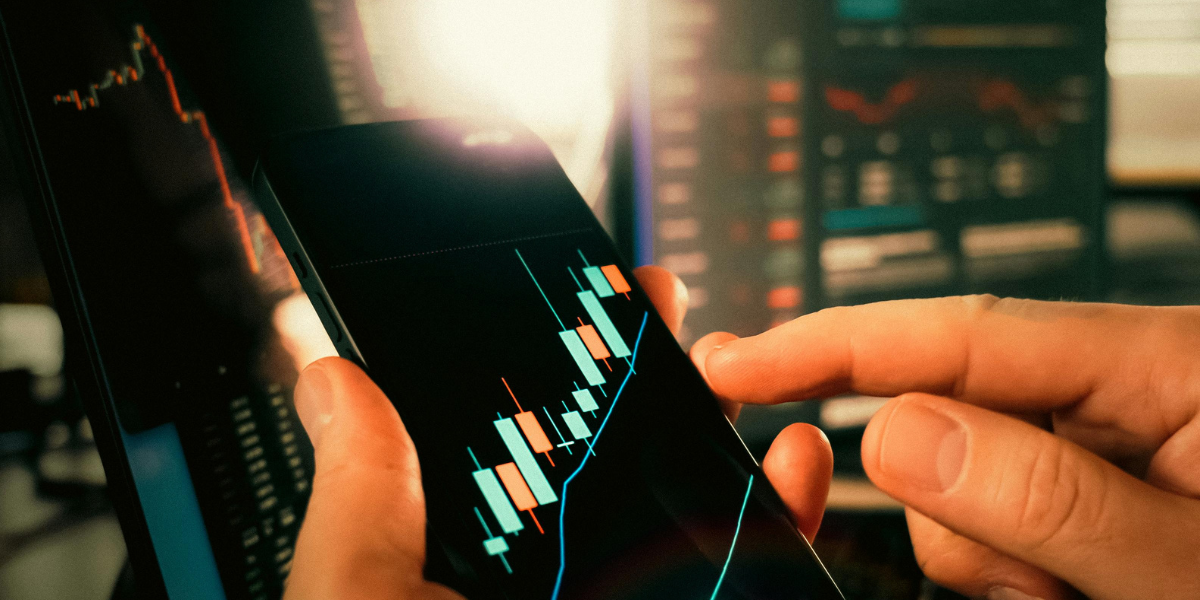
Changes in the economy can affect how people save, borrow, spend and invest money. Following finance news can provide useful context for understanding changes in prices, borrowing costs, investments and consumer behavior.
Changes in financial markets and economic policy can eventually affect ordinary households. Interest rates, inflation, employment conditions and market confidence can influence the cost of borrowing, the value of savings and the willingness of consumers and businesses to spend.
Changing Prices Affect Household Budgets
Inflation is one of the economic indicators most directly noticed by consumers. Expenses involving transportation can take a different share of household budgets when prices rise or fall.
The effects are not necessarily identical for every person. A household that spends more on food may experience price changes differently from someone with another spending pattern. This is one reason broad inflation statistics may not perfectly match an individual’s personal experience.
Businesses also monitor inflation because changes in transportation costs can influence pricing and breaking news investment decisions. These effects can eventually move through supply chains and influence consumers.
Why Interest Rates Matter to Consumers
Interest rates can affect many parts of the economy. Changes in rates may influence the cost of mortgages as well as potential returns available on some savings products.
When borrowing becomes more expensive, households and businesses may reconsider purchases or investments that require financing. Lower borrowing costs can have the opposite effect, although actual decisions depend on many additional factors.
For savers, changing interest rates can alter the attractiveness of fixed-income investments. Understanding the broader rate environment can therefore provide useful context when comparing financial options.
Technology Changes How People Manage Money
Banking and payments have become increasingly digital. Mobile banking, digital wallets, contactless payments and online financial platforms allow users to complete many transactions without visiting a physical branch.
Convenience is a major advantage, but digital finance also increases the importance of fraud awareness. Users need to protect login information and carefully evaluate unexpected messages or requests involving financial accounts.
Businesses are adapting as well. Companies can offer customers a wider range of payment options while using digital systems to manage financial records. This connection between finance and technology continues to create new services and business models.
Investing Becomes More Accessible
Online platforms have made information about financial markets easier to access. Individuals can research other investments and follow financial developments using websites and mobile applications.
Greater access to information does not eliminate investment risk. Markets can move in response to company results, and short-term price changes can be difficult to predict.
For this reason, understanding concepts such as diversification can be more useful than simply following individual market movements. Financial decisions generally need to reflect a person’s circumstances rather than short-term trends alone.
Economic News Provides Context for Financial Markets
Investors and businesses follow a range of economic indicators. Information about employment can provide clues about broader economic conditions.
Financial markets may respond quickly when new information differs from expectations. However, a single report does not necessarily establish a long-term trend. Economic data is often more informative when examined across multiple indicators.
Following economic developments over time can therefore provide a more complete picture than reacting to individual headlines.
Everyday Money Decisions Require Context
Good financial planning begins with understanding personal goals and available resources. Income, expenses, existing debt, savings and future plans can all influence appropriate financial choices.
For some people, the immediate priority may be reducing expensive debt. Others may focus on retirement planning.
Economic trends provide context, but they do not replace individual planning. A financial decision that makes sense for one household may be unsuitable for another because their risk tolerance are different.
Understanding Finance in a Changing Economy
Short-term financial news stories is easier to interpret when viewed within a broader economic context. Inflation, interest rates, technology and consumer behavior can interact and create effects across different parts of the economy.
Following market developments can help readers understand why borrowing costs change, why markets move and how businesses respond to economic conditions.
The goal is not to react to every new headline. Understanding the relationships between markets provides a stronger foundation for interpreting financial developments and recognizing which changes may have a meaningful impact on everyday life.