Business leaders spend a lot of time learning about strategy, growth, and performance. But many workplace problems have less to do with business systems and more to do with relationships.
Teams rarely fail because of a lack of talent. They struggle because of poor communication, unclear expectations, unresolved conflict, and a lack of trust.
The same is true at home.
Whether you’re leading a company, managing a team, raising children, or building a strong marriage, healthy relationships depend on healthy communication.
At SJTC, we teach that thriving relationships—and thriving organizations—are built on three core skills:
- Setting healthy boundaries and clear expectations
- Practicing candid truth-telling and accountability
- Leading with empathy
These principles are at the heart of the T-STEP Method. They help create safety, build trust, and strengthen relationships both at work and at home.
The leaders who master these skills don’t just get better business results. They build stronger teams, healthier cultures, and better lives.
Clarity Is Kind
One of the biggest mistakes leaders make is assuming people know what success looks like. A leader explains a goal, assigns a project, or shares a vision and assumes everyone understands exactly what is expected. Often, they don’t. That’s when frustration begins.
People can’t meet expectations that haven’t been clearly defined.
As Brené Brown famously said:
“Clear is kind. Unclear is unkind.”
Strong leaders don’t leave expectations open to interpretation. They clearly define:
- Roles and responsibilities
- Priorities
- Success measures
- Boundaries
- Deadlines
Clarity isn’t micromanagement; clarity is leadership.
The same principle applies at home. Many relationship conflicts don’t come from bad intentions—they come from unspoken expectations. When expectations are clear, people can succeed.
When expectations are unclear, people often disappoint each other without meaning to. Clarity creates alignment. Alignment builds trust. Trust creates momentum.
Accountability Is an Act of Care
Many leaders avoid hard conversations because they don’t want to make someone uncomfortable. But avoiding the truth rarely helps anyone.
When performance issues go unaddressed:
- Standards decline
- Frustration grows
- Team morale suffers
- High performers become resentful
Holding back difficult feedback doesn’t protect the employee. It protects the leader from temporary discomfort while allowing bigger problems to grow.
Healthy accountability says:
“I care enough about your success to tell you the truth.”
Strong leaders address performance gaps and behavior concerns early. They don’t wait until problems become crises.
They have courageous conversations that are:
- Direct
- Honest
- Respectful
- Timely
People deserve to know where they stand. In both business and personal relationships, trust grows when people know the truth—even when the truth is difficult to hear. Silence often feels easier in the moment. But honest conversations create growth.
See the Human Behind the Title
Clarity and accountability matter. But without empathy, they can feel cold. The best leaders remember that every employee is a person first. Behind every title is someone carrying challenges that may never show up in a meeting or performance review.
An employee struggling at work may be dealing with:
- Family stress
- Financial pressure
- Health concerns
- Burnout
- Relationship challenges
Empathy from a leader means getting curious before becoming critical.
Instead of making an assumption:
“They’re not hitting their goals because they’re lazy and don’t want to work.”
Ask:
“Is there anything I should know that can explain the recent dip in your performance?”
Empathy doesn’t mean lowering standards!
It means understanding someone’s reality while still holding them accountable. The strongest leaders do both. They care deeply about people while helping them meet high expectations. That’s where trust is built.
What Happens When Leaders Get This Right?
When expectations are clear, accountability is consistent, and empathy is present, people thrive.
Teams experience less friction because employees spend less time guessing what leaders want.
- Trust increases
- Collaboration improves
- Innovation grows
- Turnover drops
People feel safe enough to contribute their best ideas because they know what is expected and believe they will be treated fairly.
This matters because the truth is simple:
People don’t quit companies! They leave toxic work environments, unclear expectations, and teams with lopsided accountability.
Most employees want answers to three basic questions:
- What is expected of me?
- Will I be treated fairly?
- Does my leader genuinely care about me?
When leaders can confidently answer “yes” to all three, cultures become stronger and people stay.
The Bottom Line
You cannot build a healthy business on top of fractured relationships.
The strongest leaders communicate with clarity, candor, and empathy. They set clear expectations, address problems early, and see the human behind the role. When people feel safe, valued, and clearly directed, trust grows, performance improves, and innovation follows.
The best part? These skills don’t stay at work. The same habits that build stronger teams also build stronger marriages, families, friendships, and communities.
That’s the foundation of the SJTC approach and the T-STEP Method: communication is not just a leadership skill, it’s a life skill. And when leaders learn to communicate well, they don’t just change workplace culture. They change lives.
Ready to Strengthen Your Communication?
If you’d like to learn how to communicate with greater clarity, candor, and empathy at work and at home, we’d love to connect. Schedule a free 20-minute discovery call to explore how the SJTC approach and the T-STEP Method can help you build stronger relationships, improve team performance, and lead with greater confidence.
Visit www.souljourneyproject.com/for-business to book your free discovery call today.
Take The Step
Andrew Joyner SHRM-CP, CPC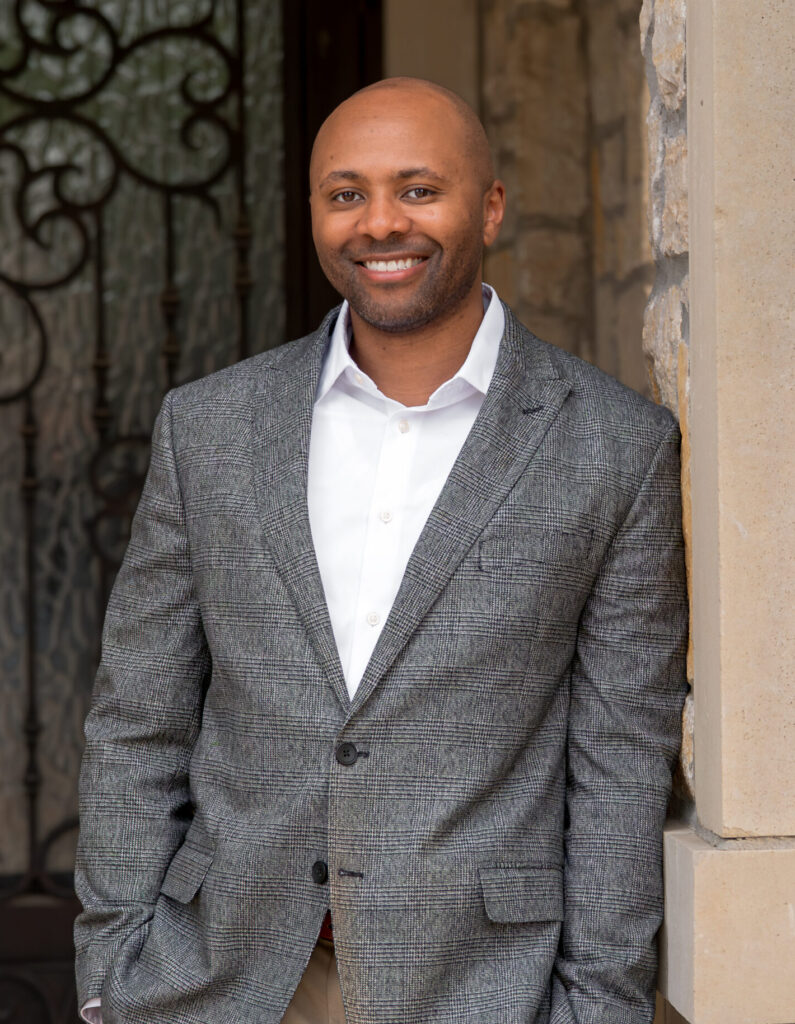
Communication & Relationship Coach